How to Use Lighting as a Statement Piece in Contemporary Kitchen Decor

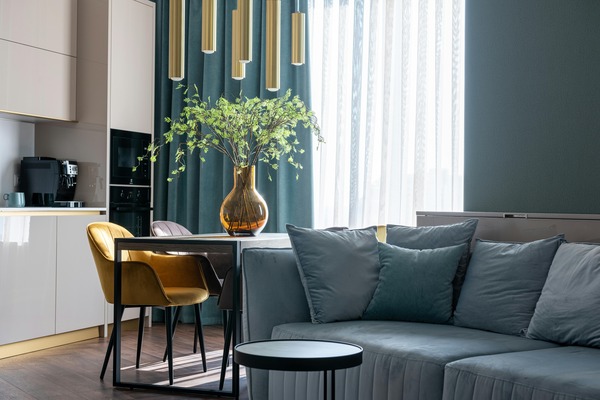
When designing a contemporary kitchen, lighting often takes center stage, serving both a functional purpose and as a key design element. The right lighting can transform your kitchen, turning it from a purely utilitarian space into one that is warm, inviting, and stylish. In this guide, we'll explore how to use lighting as a statement piece in contemporary kitchen decor and how it can complement other accessories to create a cohesive and visually stunning space.
1. Understanding the Role of Lighting in Contemporary Kitchen Design
Before diving into the specifics of statement lighting, it’s important to understand the role that lighting plays in contemporary kitchen design. Lighting is not just about illumination; it’s about creating an atmosphere, highlighting key features, and bringing out the best in your decor. In a contemporary kitchen, where clean lines and minimalism often dominate, lighting can add depth, character, and warmth.
Key Tip: Think of lighting as a tool to enhance the architectural features and contemporary kitchen decor accessories you've already chosen.
2. Choosing the Right Type of Statement Lighting
There are various types of lighting that can serve as statement pieces in your kitchen. The key is to choose fixtures that not only provide adequate light but also complement the overall design of your space.
-
Pendant Lights: These are perhaps the most popular choice for contemporary kitchens. Pendant lights come in various shapes, sizes, and materials, making them versatile enough to match any kitchen style. Hang them over kitchen islands, dining areas, or countertops to draw attention to these focal points.
-
Chandeliers: For a more dramatic effect, consider a modern chandelier. Unlike traditional chandeliers, contemporary designs are often sleeker and more minimalistic, making them a perfect fit for a modern kitchen.
-
Recessed Lighting: While not typically considered a statement piece, recessed lighting can still play a crucial role in your design. By strategically placing recessed lights, you can highlight your statement pieces and create a layered lighting effect that adds depth to the room.
Key Tip: When choosing a statement light, consider the scale of your kitchen. Large fixtures work best in spacious kitchens, while smaller kitchens benefit from more modest lighting.
3. Using Lighting to Highlight Key Areas
Once you've chosen your statement lighting, think about how it can be used to highlight key areas in your kitchen. The goal is to draw attention to the most important parts of your kitchen while ensuring that the space remains functional.
-
Over the Kitchen Island: The kitchen island is often the hub of activity, making it a prime spot for statement lighting. Pendant lights or a modern chandelier can provide focused light for food preparation while also serving as a visual anchor for the room.
-
Above the Dining Table: If your kitchen includes a dining area, use lighting to create a cozy and inviting atmosphere. A bold chandelier or a series of pendant lights can make the dining table the focal point of the space.
-
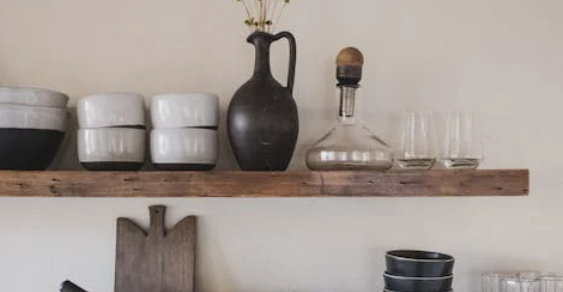
Accent Lighting: Use smaller, directional lights to highlight contemporary kitchen decor accessories such as art, open shelving, or unique architectural details. This type of lighting adds a layer of sophistication and ensures that your accessories are not overshadowed by larger fixtures.
Key Tip: Use dimmable lights wherever possible to control the ambiance and tailor the lighting to different activities or times of day.
4. Coordinating Lighting with Other Decor Accessories
To create a cohesive look, it’s essential to coordinate your statement lighting with other contemporary kitchen decor accessories. The key is to choose accessories that complement the style and finish of your lighting fixtures.
-
Matching Finishes: If your statement light fixture has a specific finish, such as brushed nickel or matte black, consider choosing hardware, faucets, and even small appliances with similar finishes. This creates a harmonious and unified look.
-
Complementary Colors: Lighting fixtures can also influence the color scheme of your kitchen. For example, warm metallics like gold or copper can be paired with warm-toned accessories, while cooler metals like chrome or steel work well with a monochromatic or cool-toned palette.
-
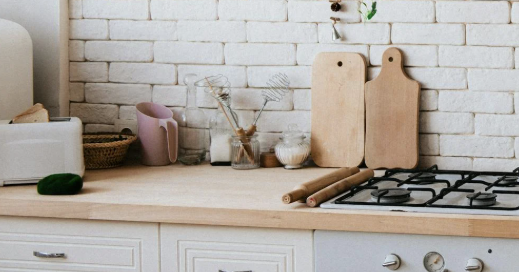
Textural Balance: Lighting can also play a role in balancing textures in your kitchen. If your lighting fixture is sleek and smooth, consider adding textured accessories like woven baskets, wooden cutting boards, or ceramic dishes to soften the overall look.
Key Tip: Don’t be afraid to mix materials. A mix of metal, glass, and natural elements can create a dynamic and interesting space.
5. Balancing Form and Function
While aesthetics are important, the functionality of your kitchen should never be compromised. Statement lighting should be both beautiful and practical, providing adequate light for all your kitchen tasks.
-
Task Lighting: Ensure that your statement lighting also serves as task lighting where needed. For example, pendant lights over the kitchen island should provide enough illumination for chopping, cooking, or reading recipes.
-
Layered Lighting: Combine your statement piece with other light sources, such as under-cabinet lights or recessed lights, to create a well-lit and functional space. This layering ensures that your kitchen is both stylish and practical.
Key Tip: Test your lighting at different times of day to ensure it meets both your aesthetic and functional needs.
Using lighting as a statement piece in your contemporary kitchen decor accessories is a powerful way to elevate the space. By carefully selecting fixtures that complement your overall design and coordinating them with other accessories, you can create a kitchen that is both stylish and highly functional. Remember, the right lighting can transform your kitchen into the perfect blend of form and function, making it a true centerpiece of your home.
About the Author